
Indira Gandhi National Open University(IGNOU) इंदिरा गांधी राष्ट्रीय मुक्त विश्वविद्यालय (इग्नू)


India is undergoing a dynamic process of socio-economic transformation, driven by advances in knowledge, technology, changing social needs and emerging development priorities. In this context, ‘Continuing Education’ assumes critical importance as a lifelong mechanism for enabling individuals and professionals to acquire new knowledge, update existing competencies and respond effectively to emerging challenges. The vision of Continuing Education is rooted in the principle that learning should extend beyond formal education and remain accessible throughout the life course, thereby strengthening individual capabilities and contributing to inclusive and sustainable national development.
In keeping with the mandate of the Indira Gandhi National Open University (IGNOU) to widen access to higher education and reach diverse and underserved sections of society, the School of Continuing Education provides opportunities for learners to remain connected with contemporary developments in the following disciplines: Rural Development, Home Science, Child Development and Nutritional Sciences. These fields are closely linked with evolving scientific evidence, sustainable development, public policies, technologies, community needs and development practices.
Through its Masters, Bachelors, Diploma and Certificate programmes, as well as MOOCs, the School provides opportunities to professionals, development practitioners, educators and other stakeholders to periodically update their knowledge, strengthen professional competencies and acquire skills relevant to changing societal and workplace requirements.
Looking ahead, the School envisions Continuing Education as a dynamic and lifelong learning ecosystem that connects education with emerging professions, community needs and the evolving world of work!
SOCE currently houses four disciplines:
A brief description about each of these disciplines follows:
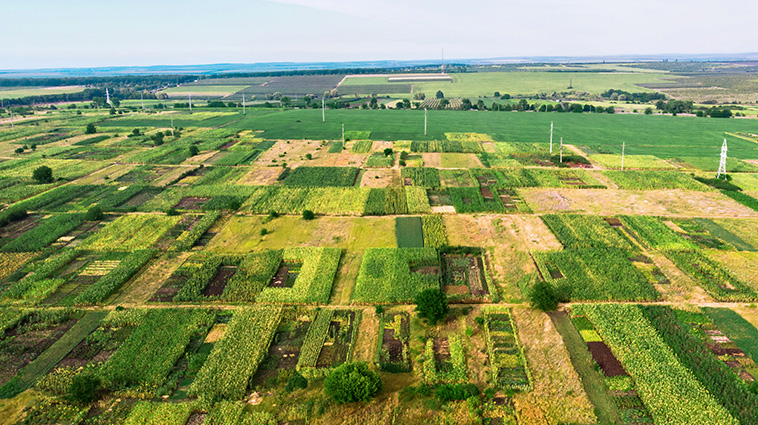
Discipline of Rural Development
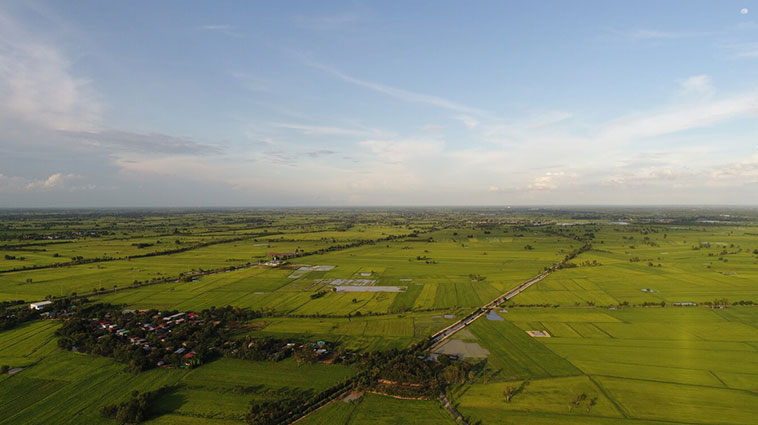
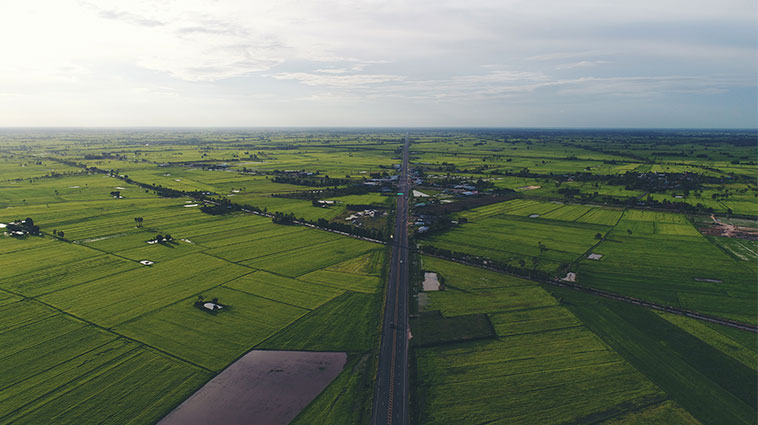
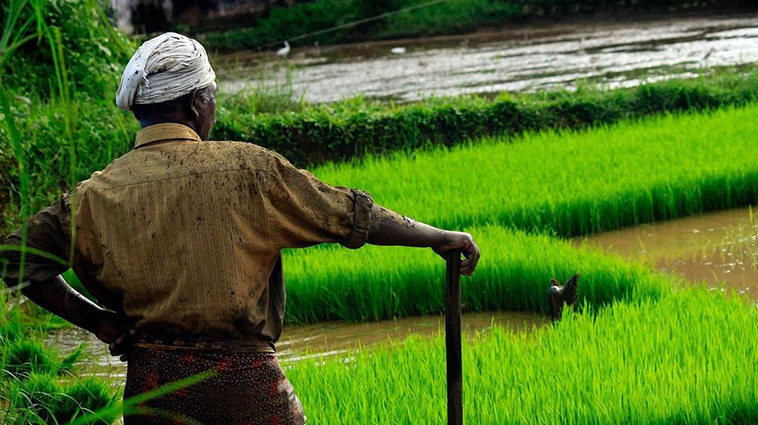
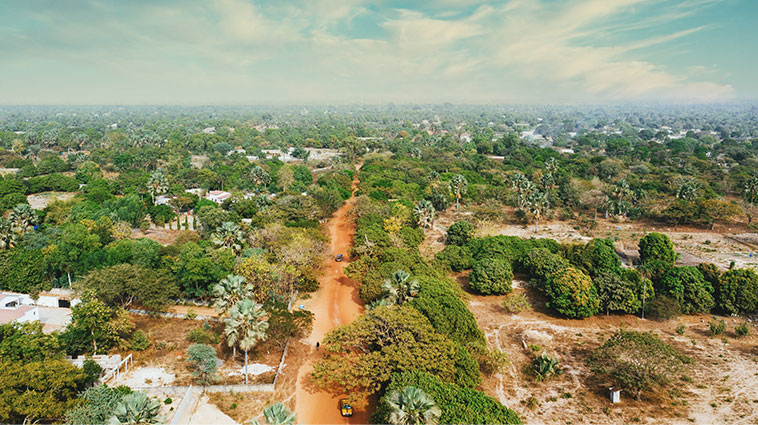
The vast rural landscape of the country, the large number of functionaries working in the area of rural development and the employment opportunities that this developing sector can generate, point to the need to prepare a cadre of professionals to serve as specialist human resource in the field of rural studies and rural development.
Discipline of Nutritional Sciences
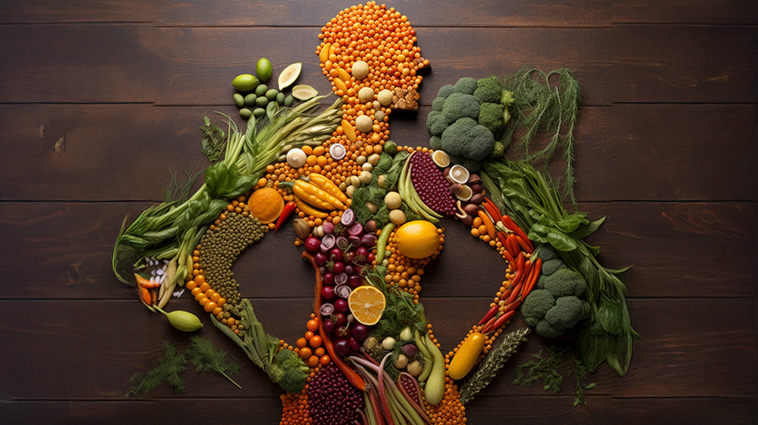
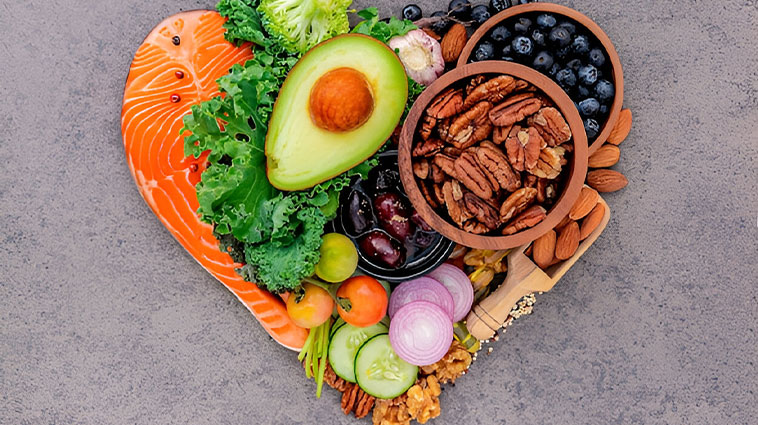
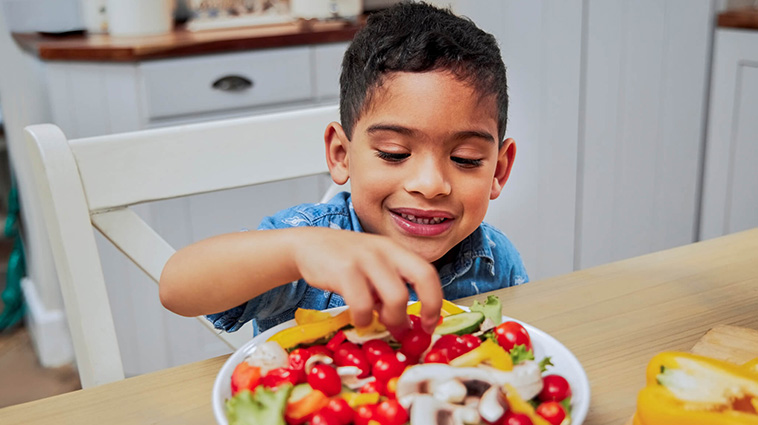
The Discipline of Nutritional Studies is devoted to the study of human nutrition and combines expertise in public nutrition, critical and therapeutic nutrition, institution food service management, food sciences and technology, food safety and quality control.
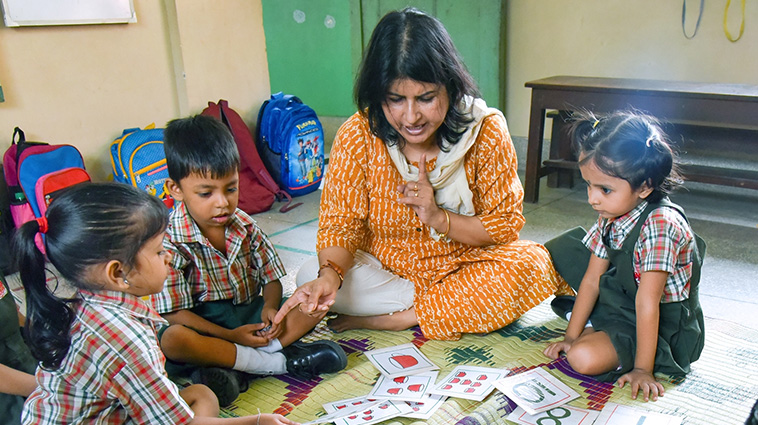
Discipline of Child Development
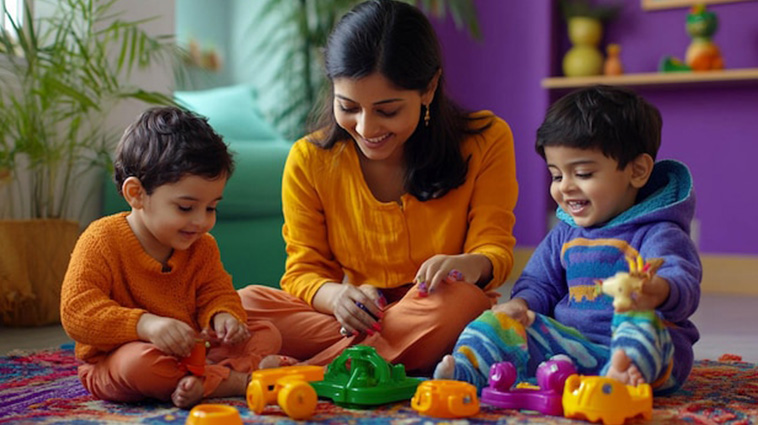
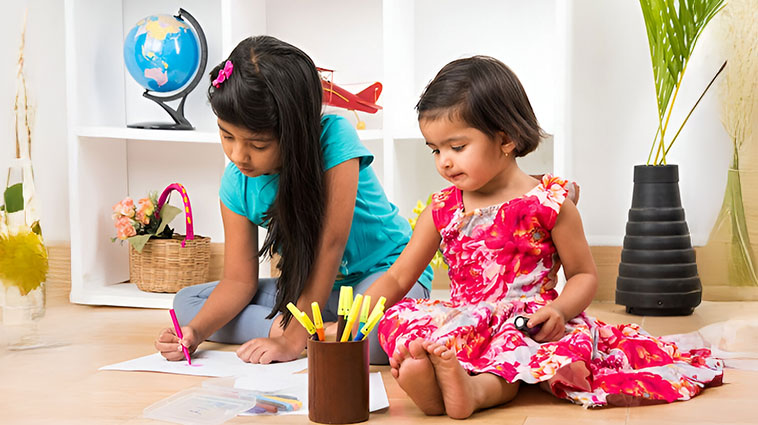
The discipline of Child Development is devoted to the study of human development in the socio-cultural context, with particular focus on the critical early childhood years. The programmes of study offered in this discipline provide an understanding of the developmental challenges and life-cycle issues in a life-span perspective. Early childhood care and education (ECCE); working with the child with disability; early and middle childhood, adolescence and adulthood; understanding and nurturing the development of the individual in the familial and cultural context; and developing expertise in the domain of counselling and family therapy have been the focal areas in the discipline of Child Development.
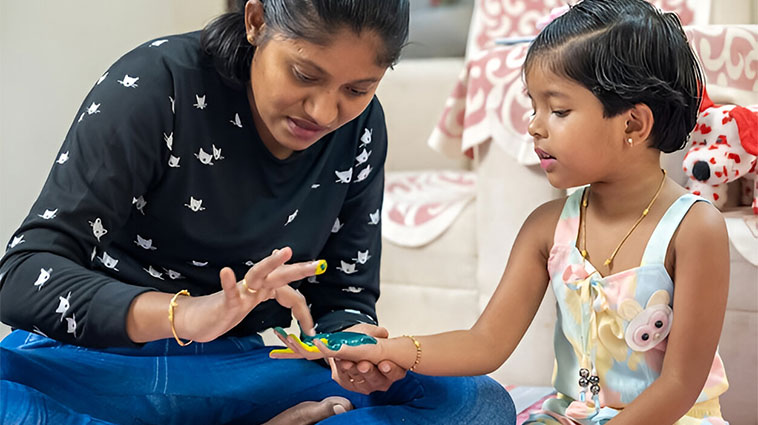
Discipline of Home Science
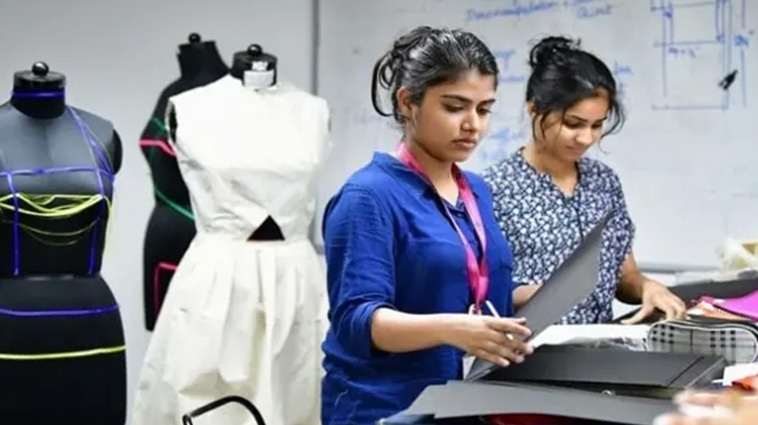
Home Science is a discipline which incorporates many pertinent life skills in its fold. In addition to the development of valuable intrapersonal skills, the discipline also introduces the students to a wide variety of potential career paths such as Community Resources Management and Fabric and Apparel Sciences. These two sub disciplines of Home Science are being addressed through various educational interventions.
Vision:
Lifelong learning is the vision of School of Continuing Education. The benefits of continuing education are `lifelong’ as it continuously strives to fulfill the educational, professional and vocational needs of learners.
Mission:
To build academic knowledge and professional competencies by focusing on a unique basket of employment-oriented skill-based programmes for promoting inclusiveness and sustainable development.
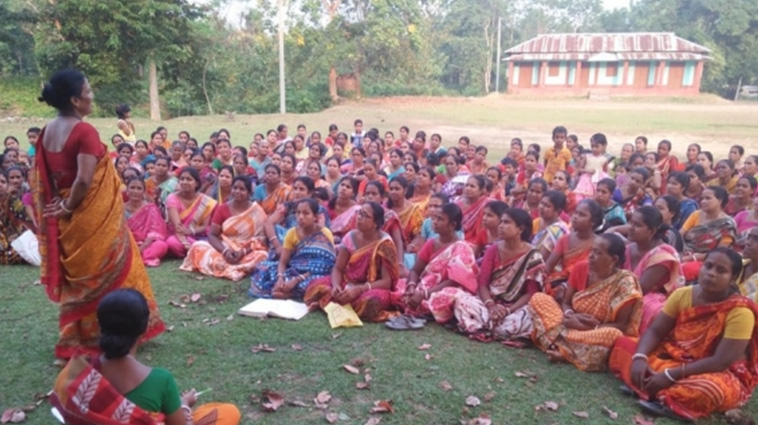
The IGNOU Act emphasizes the need for preparing and offering such courses and programmes that would provide access to higher education for large segments of the population and in particular disadvantaged such as those living in remote and rural areas, women, children, persons with disabilities as well groups including those people who wish to upgrade and acquire knowledge in vocational and professional spheres.
The School of Continuing Education (SOCE) is working towards this fulfilling objective by developing academic and professional programmes of study.
SOCE initially developed and launched programmes related to Rural Development and Women’s Education. The focal areas of work under Women’s Education were Nutrition and Child Development and the programmes of study addressed women’s practical gender needs. . In the process of its growth, the School indentified new important areas of concern. Retaining its focus on Rural Development, addressing women learners through Nutrition and Child Development programmes, the School also initiated programmes in Disability, Social Work, Youth and Development Work, Women Empowerment Journalism & Mass Communication. Later these areas of work transformed into independent Schools of Gender and Development Studies, Social work, and Journalism and Mass Communication. The School of Continuing Education transformed itself to recognize the four disciplines of Rural Development, Nutritional Sciences, Child Development and Home Science.
Welcome to the School of Continuing Education (SOCE) at Indira Gandhi National Open University (IGNOU) - a School committed to advancing the vision of lifelong learning by providing accessible, flexible, inclusive and career-oriented educational opportunities to diverse learner groups across the country and beyond.
In alignment with the vision of the NEP2020, the School, through its innovative programmes, seeks to promote inclusive access, multidisciplinary learning, skill development, employability,flexible learning pathways, experiential education and multiple pathways for educational progression, through four Disciplines: Child Development, Home Science, Rural Development and Nutritional Sciences.
The School offers a diverse basket of programmes ranging from Certificate to Ph.D. level, encompassing 8 Certificate programmes, 5 Diploma programmes, 2 Post Graduate Diploma programmes, 2 Master’s programmes, 3 Bachelor’s programmes and 4 Ph.D. programmes. Besides these the School is offering 10 MOOCs and 05 Online programmes of study. These programmes provide learners with opportunities to enter, progress through and re-enter the education system at different stages of their lives and careers, through modular and flexible structures, including opportunities for lateral entry and exit. In addition to the Open and Distance Learning (ODL) mode, the School offers programmes through the online mode and extends its educational outreach. The School is also expanding its academic portfolio through the Four-Year Undergraduate Programmes (FYUPs) and One-Year Master’s programmes in keeping with the principles and provisions of National Education Policy (NEP) 2020. These initiatives are intended to provide learners with broader disciplinary exposure, multidisciplinary perspectives, practical competencies and opportunities to progressively build academic and professional capabilities.
You will notice a distinctive feature of the School’s programmes - theirinterdisciplinary and multidisciplinary orientation. The programmes connect theoretical knowledge with practical application through fieldwork, internships, projects and other experiential learning opportunities.
By offering niche, innovative and specialised programmes designed for specific learner groups and professional sectors, the School provides opportunities for career entry, career advancement, reskilling, upskilling and professional diversification. The knowledge and competencies acquired through these programmes opens potential career pathways to employment and self-employment in diverse areas, including:Early childhood care and education; Support services for children with disabilities; Project officers; Event management companies / firms;Social welfare and development agencies; Fabric and apparel merchandising; Fabric export houses; Garment manufacturing units; Community and rural development;NGOs; International organisations / agencies; and related social and development services.
The scope of Continuing Education, however, extends beyond immediate employment. It provides opportunities for working professionals and individuals to update their competencies or learn new ones, for individuals seeking career transitions to acquire new skills, and for practitioners to strengthen their capacity to respond to contemporary challenges.
The School serves a highly diverse learner population, bringing together individuals from different educational, social, geographical and professional backgrounds. Women constitute approximately 64% of the learners, while 56% are from rural areas, reflecting the School’s commitment to widening participation and creating educational opportunities for learners who may otherwise face geographical, economic or social barriers to higher education.
The Mission of Continuing Education is not merely to provide additional qualifications, but to create a dynamic lifelong learning ecosystem through which knowledge, skills and professional practices are continuously renewed. The benefits are `life-long!’
Best Wishes
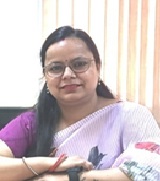
Prof. Heena K. Bijli
Director, School of Continuing Education
Director
School of Continuing Education
Block-G, Zakir Hussain Bhawan
Indira Gandhi National Open University
Maidan Garhi
New Delhi-110068.
Email Id: soce@ignou.ac.in, directorsoce@ignou.ac.in
Phone No.: 011-29537347
| S.No. | Name and Address | |
|---|---|---|
| 1. | Prof. Deeksha Kapur Professor, Nutritional Sciences, SOCE, IGNOU Tel: 29572960, 29532302, 9818036653 Email: deekshakapur@ignou.ac.in |
Chairperson |
| 2. | Prof. Rekha Sharma Sen Professor, Child Development, SOCE, IGNOU Tel: 29572958, 9810874291 Email: rekhasharmasen@ignou.ac.in |
Ex-Officio |
| 3. | Prof. Neerja Chadha Professor, Child Development, SOCE, IGNOU Tel: 29572959, 9810261690 Email: neerja_chadha@ignou.ac.in |
Ex-Officio |
| 4. | Prof. Heena K. Bijli Professor, Home Science, SOCE, IGNOU Tel: 29572948, 9910078667 Email: heenakbijli@ignou.ac.in |
Ex-Officio |
| S.No. | Name and Address | Term | |
|---|---|---|---|
| From | To | ||
| 5. | Dr. Ankita Gupta Assistant Professor, Nutritional Sciences, SOCE, IGNOU Tel: 29573097, 7520714588 Email: ankitagupta@ignou.ac.in |
02-12-2024 | 01-12-2026 |
| 6. | Dr. Balkar Singh Assistant Professor, Rural Development, SOCE, IGNOU Tel: 29572952, 9416293364 Email: balkarsingh@ignou.ac.in |
02-12-2024 | 01-12-2026 |
| 7. | Dr. Suman Singh Assistant Professor, Home Science, SOCE, IGNOU Tel: 29573096, 9170979915 Email: sumansingh@ignou.ac.in |
02-12-2024 | 01-12-2026 |
| 8. | Dr. Preetika Badgujar Assistant Professor, Child Development, SOCE, IGNOU Tel: 29572949, 9211233775 Email: preetika@ignou.ac.in |
02-12-2024 | 01-12-2026 |
| S.No. | Name and Address | Term | |
|---|---|---|---|
| From | To | ||
| 9. | Prof. D. Venkateshwarlu Professor, School of Education, IGNOU Tel: 295729__ Email: dvenkatesh@ignou.ac.in |
02-12-2024 | 01-12-2026 |
| 10. | Prof. Nayantara Padhi Professor, School of Management Studies, IGNOU Tel: 2957____ Email: nayantara@ignou.ac.in |
02-12-2024 | 01-12-2026 |
| 11. | Dr. Akshay Kumar Professor, SOCIS, IGNOU Tel: 29572___ Email: akshay@ignou.ac.in |
02-12-2024 | 01-12-2026 |
| 12. | Dr. Mita Sinhamahapatra Professor, School of Agriculture, IGNOU Tel: 2957__ Email: mitasinhamahapatra@ignou.ac.in |
02-12-2024 | 01-12-2026 |
| S.No. | Name and Address | Term | |
|---|---|---|---|
| From | To | ||
| 13 | Prof. S.P.Mishra Former Founder Vice Chancellor Dev Sanskriti Vishwavidyalaya ,Pith Road, Haridwar Uttarakhand-249411 Email: spmishra98@gmail.com, spmishra98@hotmail.com Ph. 09711005807 |
12-12-2024 | 11-12-2026 |
| 14. | Prof. Shagufa Kapadia Department of Human Development and Family Studies MS University of Baroda Baroda, Vadodara-390002 Email: shagufa@gmail.com, shagufa.kapadia-hdfs@msubaroda.ac.in Ph. 9825781934 |
12-12-2024 | 11-12-2026 |
| 15. | Prof. Kiran Bains Professor and Dean College of Community Science Punjab Agricultural University Ludhiana, Punjab-141004 Email : kiranbains@pau.edu Ph.: 7837700617 |
12-12-2024 | 11-12-2026 |
| 16. | Prof. Jyoti Aggarwal Department of Fabric and Apparel Science Institute of Home Economics University of Delhi-110007 Email: jyoti.aggarwal@ihe.du.ac.in Ph.: 9810690480 |
12-12-2024 | 11-12-2026 |
| 17. | Prof. Lalita Vatta Professor of Extension and Communication Department of Home Science Banaras Hindu University, Varanasi-221005 Email: lalitavatta@bhu.ac.in Ph. 9414479231 |
12-12-2024 | 11-12-2026 |
| # | Type | Meeting No. | Meeting Date/Time | Venue | Minutes | Appendix |
|---|---|---|---|---|---|---|
| 1 | BSOCE | 55 | 2017-02-15 | Conference Room of SOCE, Block-G, New Academic Complex, IGNOU, Maidan Garhi, New Delhi-110068 | SBM55 | |
| 2 | BSOCE | 56 | 2017-08-24 | Conference Room of SOCE, Block-G, New Academic Complex, IGNOU, Maidan Garhi, New Delhi-110068 | SBM56 | |
| 3 | BSOCE | 57 | 2018-01-17 | Conference Room of SOCE, Block-G, New Academic Complex, IGNOU, Maidan Garhi, New Delhi-110068 | SBM57 | |
| 4 | BSOCE | 58 | 2018-04-26 | Conference Room of SOCE, Block-G, New Academic Complex, IGNOU, Maidan Garhi, New Delhi-110068 | SBM58 | |
| 5 | BSOCE | 59 | 2018-10-05 | Conference Room of SOCE, Block-G, New Academic Complex, IGNOU, Maidan Garhi, New Delhi-110068 | SBM59 | |
| 6 | BSOCE | 60 | 2019-03-01 | Conference Room of SOCE, Block-G, New Academic Complex, IGNOU, Maidan Garhi, New Delhi-110068 | SBM60 | |
| 7 | BSOCE | 61 | 2019-09-13 | Conference Room of SOCE, Block-G, New Academic Complex, IGNOU, Maidan Garhi, New Delhi-110068 | SBM61 | |
| 8 | BSOCE | 62 | 2020-11-12 | Conference Room of SOCE, Block-G, New Academic Complex, IGNOU, Maidan Garhi, New Delhi-110068 | SBM62 | |
| 9 | BSOCE | 63 | 2022-01-14 | Virtual Mode | SBM63 | |
| 10 | BSOCE | 64 | 2022-05-13 | Virtual Mode | SBM64 | |
| 11 | BSOCE | 65 | 2022-08-26 | Virtual Mode | SBM65 | |
| 12 | BSOCE | 66 | 2023-06-20 | Conference Room of SOCE, Block-G, New Academic Complex, IGNOU, Maidan Garhi, New Delhi-110068 | SBM66 | |
| 13 | BSOCE | 67 | 2023-09-06 | Virtual Mode | SBM67 | |
| 14 | BSOCE | 68 | 2023-12-15 | Virtual Mode | SBM68 | |
| 15 | BSOCE | 69 | 2024-05-06 | Conference Room of SOCE, Block-G, New Academic Complex, IGNOU, Maidan Garhi, New Delhi-110068 | SBM69 | |
| 16 | BSOCE | 69 | 2024-04-09 | Virtual Mode | SBM69 | |
| 17 | BSOCE | 70 | 2024-11-11 | Hybrid Mode | SBM70 | |
| 18 | BSOCE | 71 | 2025-02-12 | Hybrid Mode | SBM71 | |
| 19 | BSOCE | 72 | 2025-05-19 | Hybrid Mode | SBM72 | |
| 20 | BSOCE | 73 | 2025-09-17 | Hybrid Mode | SBM73 | |
| 21 | BSOCE | 74 | 2026-03-26 | Hybrid Mode | SBM74 |